Why British Dessert Flavours Belong in Your Drink
There’s something about British desserts and sweets that just sticks.
Not in a complicated way. Not in a “let’s analyse this” kind of way. Just in that immediate, unmistakable way where you know exactly what you’re tasting and exactly how it makes you feel.
That’s why British dessert flavours work so well in soft drinks. They already carry something with them — a memory, a mood, a sense of familiarity that doesn’t need explaining.
When you turn those flavours into drinks, you’re not starting from scratch. You’re building on something people already love.
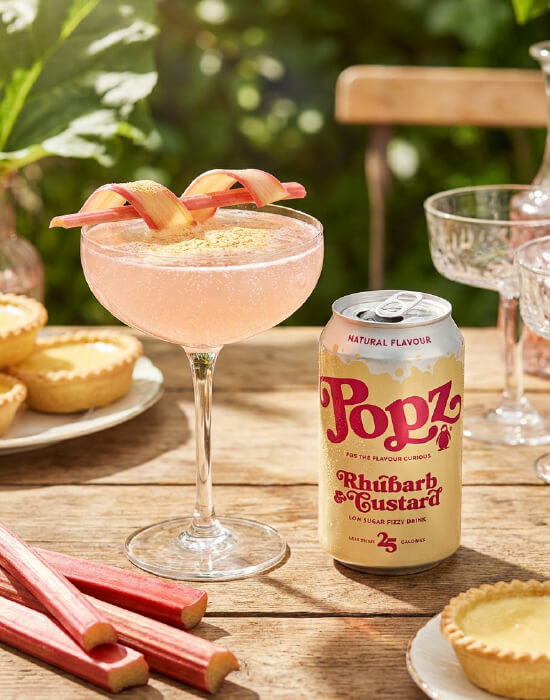
Take rhubarb and custard. As far as nostalgic British sweets go, it’s hard to beat. That sharp, tangy rhubarb paired with creamy sweetness is a contrast that’s been working for decades. It’s bold, slightly old-school, and completely distinctive. When you translate it into a drink, something interesting happens: it becomes lighter, brighter, more refreshing, but that core contrast is still there. It still hits in exactly the same way.
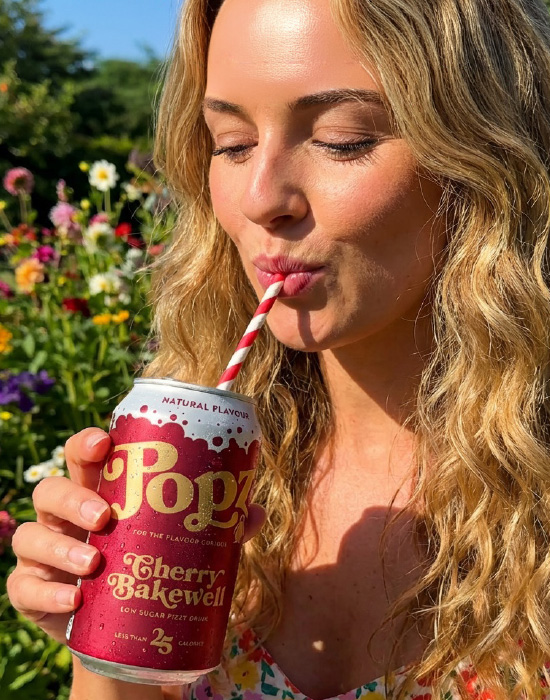
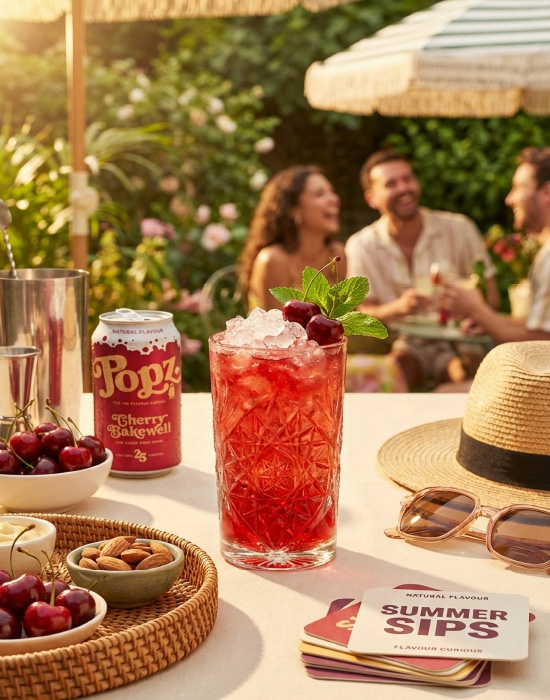
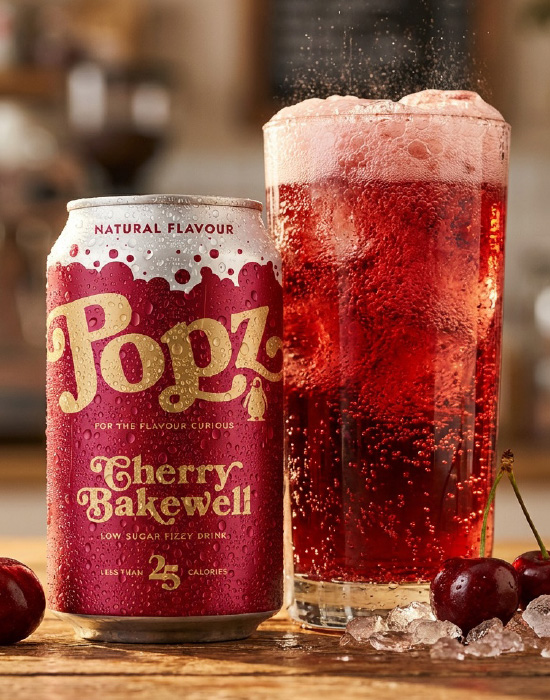
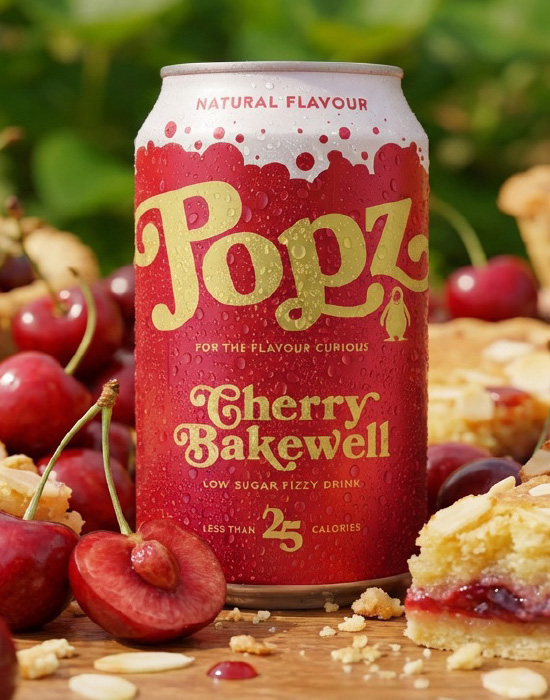
Cherry Bakewell is another one that feels almost made for this. Rich, sweet, slightly almondy, it’s indulgent without being overwhelming. In dessert form, it’s comforting. In drink form, it becomes something you can go back to again and again without it ever feeling too much. You keep the depth, but lose the heaviness.
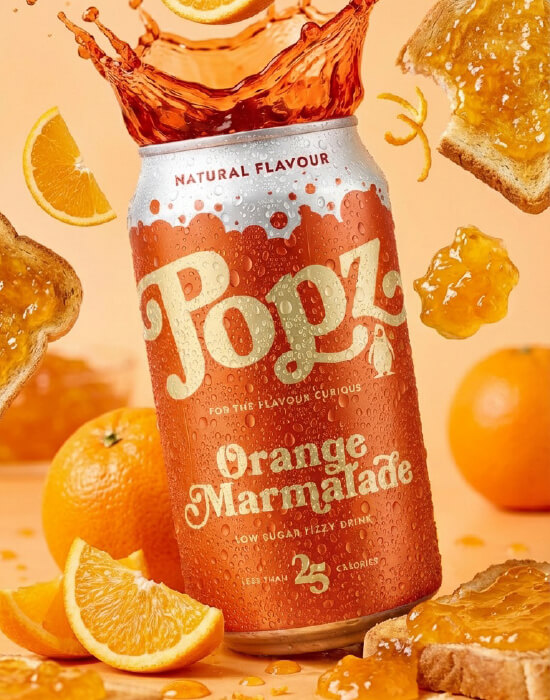
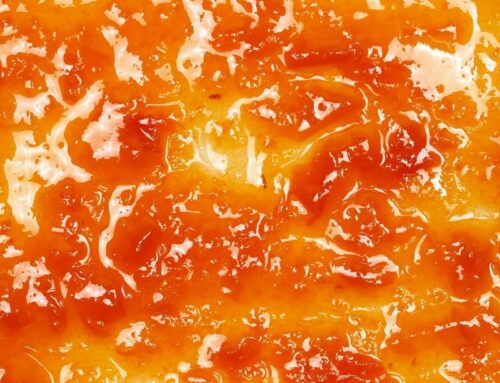
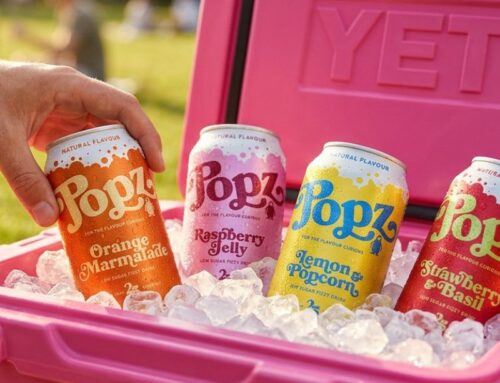
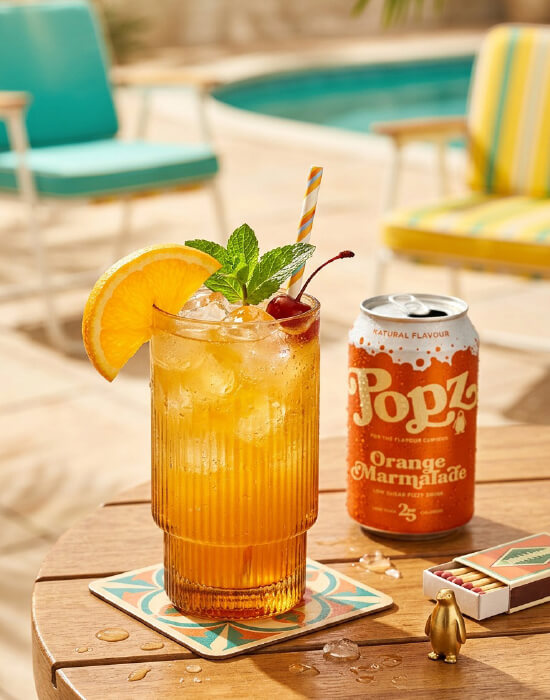
Orange Marmalade sits in a slightly different place. It’s less about sweetness and more about balance, that bittersweet edge that gives it character. It’s the kind of flavour that feels a bit more grown-up, a bit more layered than your standard citrus. And that’s exactly why it works as a drink. It gives you something familiar, but with more going on.
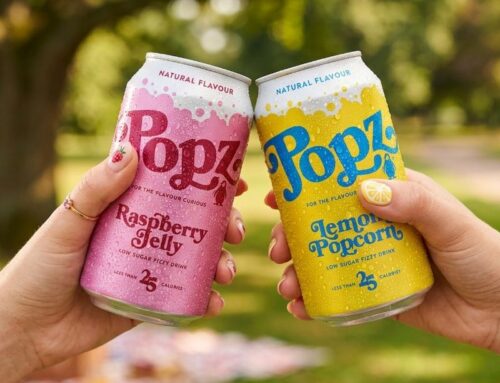
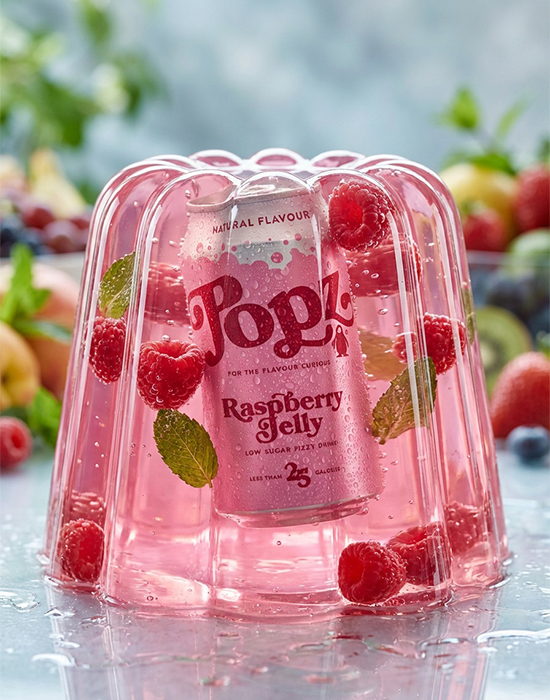
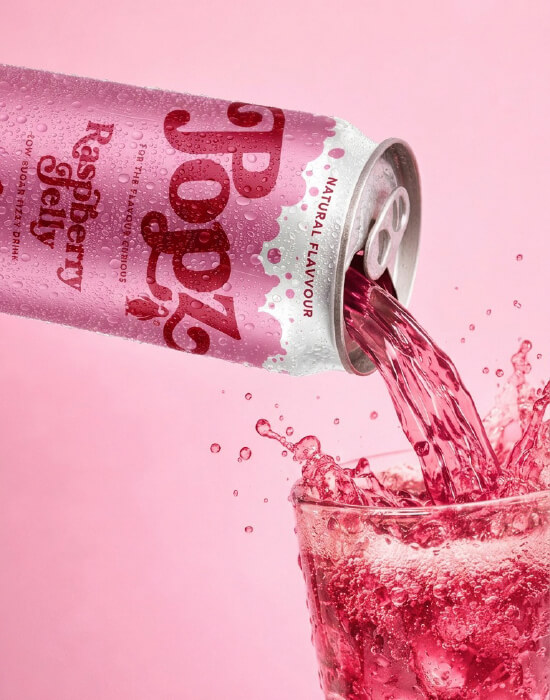
Then there’s Raspberry Jelly, which might be one of the simplest flavours on paper, but also one of the most powerful. It doesn’t need reinventing. It’s bright, bold, and instantly recognisable. What changes in a drink is the texture of the experience; it becomes lighter, more refreshing, but still carries that same playful energy.
What ties all of these together isn’t just nostalgia, it’s clarity. These flavours know exactly what they are. They’re not subtle, they’re not trying to be abstract. They’re direct, confident, and full of character.
And that’s exactly what you want in a soft drink.
Because at the end of the day, people aren’t just choosing a drink for hydration. They’re choosing it for how it feels. For what it reminds them of. For that small moment of familiarity in the middle of everything else.
That’s why these flavours keep coming back. Not because they’re trendy, but because they’ve never really gone away. They’ve just been waiting for a new format.
There’s also something quietly rebellious about turning these flavours into drinks. They weren’t designed for this. Rhubarb and custard belonged in paper bags, Cherry Bakewell sat neatly on plates, and raspberry jelly wobbled its way through childhoods without ever needing to be reimagined. But that’s exactly the point. Taking something that already has a place and giving it a new format keeps it alive in a different way. It stops nostalgia from becoming static and turns it into something you can experience again, just slightly differently. And that’s where it gets interesting, not just remembering flavours, but rediscovering them.
From POPZ
AN OLD KIND OF SODA™
Behind every flavour is an idea that’s been tested, debated… and occasionally approved by a very opinionated penguin.
The best ones make it into a can!
Beyond the lab, the team is responsible for shaping the POPZ world, from the stories you read here to the ideas that drive the brand forward. Their shared belief is simple: soda should never be boring.
AN OLD KIND OF SODA™

Follow Us